
Most of what determines whether a dental implant succeeds happens before the implant is ever placed. The surgical day itself takes 30-60 minutes for a single implant; the preparation that gets you to that day decides how the next 20 years go.
This is a specialist's preparation guide for patients pursuing implants in Honolulu. It covers the medical workup, lifestyle factors that genuinely matter, financial planning, and the questions you should ask your provider before consenting to treatment.
The medical workup
A thorough implant evaluation includes more than a quick exam. Expect:
A complete medical history review. Several systemic conditions affect implant outcomes — uncontrolled diabetes, osteoporosis (particularly with bisphosphonate use), autoimmune disease, and immunosuppression among them. None of these are automatic disqualifiers, but each changes the planning. Be honest about every medication you take, including supplements.
A 3D scan (CBCT). A panoramic X-ray alone isn't enough for serious implant planning. A cone-beam CT gives a true 3D view of bone volume, sinus anatomy, nerve location, and adjacent tooth roots. If your provider plans implants from a panoramic X-ray, ask why.
An intraoral exam and photos. Soft-tissue health, bite analysis, the condition of adjacent teeth, and any signs of bruxism (grinding) all feed into the case plan.
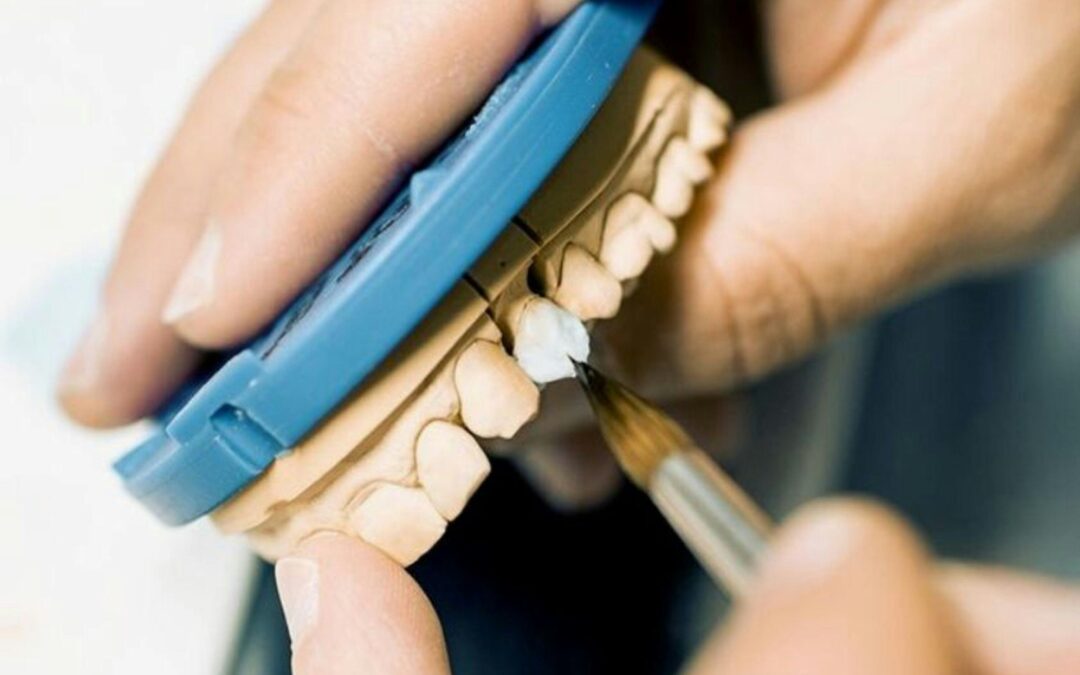
Models or digital impressions. Used to design the final restoration first, then work backwards to plan the implant position.
A discussion of the final restoration. What does the finished smile need to do? What does it need to look like? This conversation should happen before — not after — the implant is placed.
If your evaluation skipped any of these steps, that's worth raising before moving forward.
The lifestyle factors that actually matter
Patients often ask which habits genuinely affect implant outcomes. The honest answer is that most things you read about online don't matter much. A few do.
Smoking. This is the biggest modifiable risk factor for implant failure. Tobacco use roughly doubles the risk of early failure and significantly increases the long-term risk of peri-implantitis. Stopping smoking — even temporarily — for the 2-4 weeks before and 2-3 months after implant placement makes a measurable difference. Stopping permanently is better.
Uncontrolled diabetes. Blood sugar control directly affects healing. An HbA1c above 8% is associated with materially worse outcomes. Below 7% is the target. Work with your physician to optimize this before surgery if possible.
Oral hygiene. Implants don't get cavities, but they get peri-implantitis (a bacterial infection of the gum and bone around them). Patients with strong daily home care have dramatically better long-term outcomes than those without. If you don't floss now, develop the habit before getting implants — not after.
Bruxism (grinding/clenching). Heavy bruxers can damage implants and crowns through pure mechanical overload. If you grind your teeth, a night guard isn't optional after implant treatment; it's part of the treatment.
Bone density medications. Bisphosphonates and other antiresorptive drugs can cause complications with jaw surgery. This doesn't always preclude implants, but it requires careful discussion with your physician and surgeon.
General nutrition and sleep. Healing is a metabolic process. Patients with good nutritional status and consistent sleep heal better. This isn't a hack; it's just biology.
Several things you've probably read about — coffee, alcohol in moderation, occasional ibuprofen use — have a much smaller effect on implant outcomes than the items above. Focus on what matters.
What you'll do in the weeks before surgery
A typical preparation timeline:
4-6 weeks out: Final imaging, surgical guide design (if applicable), and any preparatory procedures (extractions, socket preservation grafts, periodontal cleaning). You'll receive a written treatment plan, cost estimate, and informed consent documents.
2 weeks out: Confirm any prescribed antibiotics or rinses are filled. Coordinate sedation logistics if you're choosing IV or oral sedation. Stop smoking if possible. Optimize blood sugar if diabetic.
The day before: Light meals. Adequate sleep. Confirm a driver if you're being sedated. Avoid alcohol.
The morning of: Follow the specific eating/drinking instructions your surgeon provides — they vary based on sedation choice. Brush and rinse normally. Wear comfortable clothing.
What to plan for after surgery
The first 48 hours after implant placement involve mild swelling and discomfort, manageable with over-the-counter medication for most patients. Pain is significantly less than most patients expect — much less than a typical tooth extraction.
The longer healing phase (3-6 months of osseointegration) is silent. You'll wear a temporary if visible teeth are involved; otherwise, you eat and live normally with the implant healing under the gum.
Plan for:
- Soft foods for 3-5 days. Eggs, smoothies, mashed potatoes, soup.
- No strenuous exercise for 24-48 hours. Increases swelling and bleeding risk.
- Modified oral hygiene around the site for 1-2 weeks. Your surgeon will provide a specific protocol.
- A follow-up visit at 1-2 weeks to check soft-tissue healing.
- Quarterly check-ins during osseointegration to monitor progress.
Financial planning
Dental implants are a significant investment. A clear financial plan removes a major source of treatment anxiety:
- Get a written treatment plan with itemized costs before consenting. The plan should distinguish surgical fees, restorative fees, and any preparatory procedures (grafting, extractions).
- Understand insurance involvement. Many dental plans cover part of implant treatment — sometimes the crown only, sometimes a portion of the surgery, sometimes nothing. Medical insurance occasionally covers grafting tied to medical necessity. We can pre-verify benefits.
- Ask about financing. Most specialist practices offer payment plans or financing options (CareCredit and similar). This is a normal part of treatment, not a sign of unusual cost.
- Avoid "implant special" pricing without seeing the full plan. A heavily discounted implant placement often excludes the abutment, crown, imaging, and any necessary grafting. The true comparison is total case cost, not the surgical-only line item.
Questions to ask your provider
Before consenting to implant treatment, ask:
- How many implants do you place per year, and in which specialty residency were you trained?
- Will the same provider place the implant and design the final restoration, or will multiple providers be involved?
- What's the full treatment plan from today's exam through the final crown, including any grafting?
- What happens if the implant fails? What's the warranty or remediation policy?
- Will I have a 3D scan as part of planning?
- How will my bite be evaluated and managed long-term?
Honest answers to these questions tell you a lot about the practice's approach.
Frequently asked questions
How long does the whole process take?
For straightforward single-tooth implants, 4-6 months from start to final crown. For full-arch cases or those requiring grafting, 6-12 months. Same-day teeth in selected full-arch cases can compress the visible timeline, but full healing still takes months under the surface.
Can I work the day after?
Most patients return to non-physical work within 1-2 days. Physical labor jobs may need a longer break — your surgeon will advise.
Will I be sedated?
Sedation is optional for most cases. Local anesthesia alone is sufficient for routine placements. IV or oral sedation is available for patients who prefer it. Discuss this in your consultation.
Is travel after surgery okay?
Short flights within a week post-op are usually fine. Avoid long-haul or international travel for 1-2 weeks if possible, since complications are easier to manage close to home.
What if I have a chronic condition?
Diabetes, autoimmune disease, and other systemic conditions don't automatically disqualify you from implants. They do change the planning. Bring complete medical records — including recent lab work — to your consultation.
Starting the process
At Pacific Dental & Implant Solutions, every implant case begins with a thorough evaluation by Dr. Jmi Asam, a ADA-recognized Prosthodontist. We use 3D imaging, surgical guides, and a back-from-the-tooth planning approach to maximize the long-term success of every case.