

Dental implants support the jawbone and replace missing teeth with fixed, durable restorations. The long term effects of dental implants include stronger chewing, stable bone health, and a natural-looking smile.
At Pacific Dental & Implant Solutions in Hawaiʻi, we see these benefits every day. Patients want results that last. Implants deliver that when cared for properly. But it also helps to understand not just the positives, but the possible long-term side effects as well. Here’s a clear and simple guide.
What are dental implants?
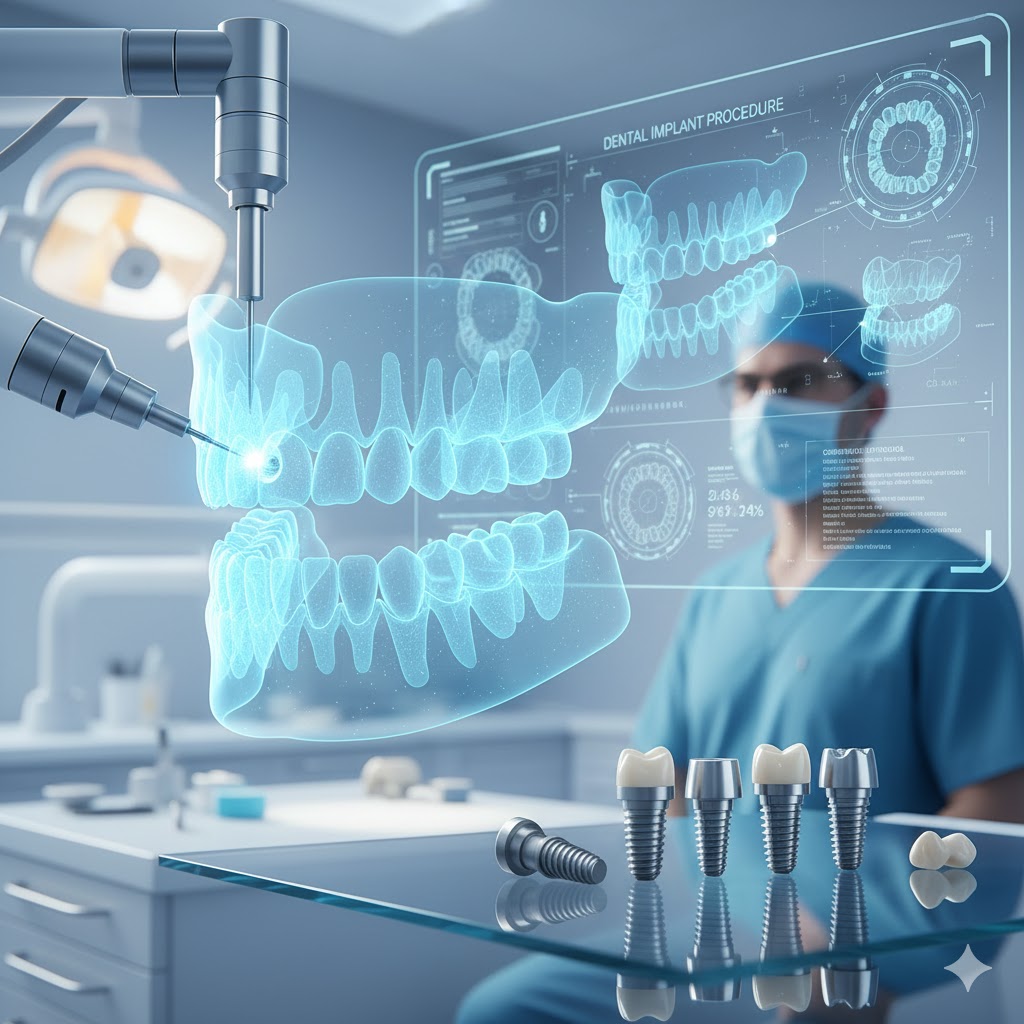
Dental implants are titanium posts placed into the jaw. They act like artificial roots. A custom crown, bridge, or full-arch prosthesis attaches to the implant.
The implant becomes part of the bone. You brush and floss it like a natural tooth. It stays in place. It does not come out. This stability creates many long-term benefits.
How do dental implants work over time? What are the long term effects of dental implants?
After placement, the bone grows around the implant. This process is called osseointegration. It creates a strong foundation. Once healed, the implant works like a natural root. It supports the crown and allows you to chew with strength.
As years pass, an implant continues to stimulate the bone. This keeps the jaw strong and prevents shrinking. Dentures do not do this. That is why implants protect your facial structure long-term.
Long term benefits of dental implants
Dental implants offer some of the strongest long-term outcomes in modern dentistry. These benefits affect comfort, function, bone health, and appearance.
1. Stronger, more natural chewing
Over time, implants help people eat better. Patients return to normal meals. Steak, raw vegetables, apples, and crunchy snacks become easy again. This freedom improves daily life. Dentures often reduce bite strength. Implants restore it.
2. Protection against bone loss
This is the biggest long-term gain. When a tooth is missing, the bone shrinks. Dentures sit on the gums and do nothing to stop this. Implants act like roots. They stimulate the bone with every bite. This slows or prevents bone loss for years.
3. Better facial structure
Bone loss affects the face. The lips sink inward. The cheeks look hollow. The bite collapses. Dental implants prevent these changes. They help maintain your natural shape. This gives patients a younger, healthier appearance long-term.
4. Improved speech
Implants stay in place. They do not shift. This supports clear speech. Patients with long-term implants often say they feel more confident in social situations.
5. Long lifespan
Dental implants can last decades. With good brushing and flossing, they may last a lifetime. The crown may need a replacement after many years, but the implant post is durable.
6. Comfort over the years
Because implants become part of the bone, they feel natural. There are no sore spots. No slipping, adhesives, or bulky acrylic plates on the roof of the mouth. Comfort increases as patients get used to the teeth.
7. Confidence and stability
Implants give people confidence. You can laugh, eat, talk, and smile without worry. For many patients, this long-term emotional benefit is just as valuable as the physical changes.

How stable are dental implants years later?
Most implants stay stable for decades. The bone bonds tightly to the titanium. This creates a strong hold. With regular dental checkups and cleanings, the implant remains secure.
The key is good oral hygiene. Just like natural teeth, implants benefit from brushing, flossing, and routine care.
Long term side effects of dental implants
While implants offer strong long-term success, there are also possible long term effects of dental implants. These issues are uncommon but important to understand.
1. Bone loss around the implant
If bacteria gather around the implant, the bone may recede. This is called peri-implantitis. It behaves like gum disease. It can cause inflammation, bone loss, and loosening of the implant.
Good hygiene helps prevent this.
2. Gum recession
Gums may recede over time. This can expose more of the implant or create a longer-looking tooth. It may also increase sensitivity.
We monitor gum health at every visit.
3. Wear on the crown
The implant crown is strong, but not indestructible. Over many years, it may chip or wear down. It may need replacement after a decade or more.
The implant post usually stays stable.
4. Bite changes
As people age, their bite changes naturally. Teeth shift. Enamel wears down. This can affect how the implant fits into the bite.
Regular adjustments keep things comfortable.
5. Rare implant loosening
If the bone around the implant weakens, the implant can loosen. This is uncommon when care is consistent. Smoking, uncontrolled health conditions, and poor hygiene increase this risk.
6. Long-term sensitivity
Some patients notice sensitivity in the surrounding gums. This does not come from the implant itself but from the soft tissue.
A routine cleaning or gum treatment often helps.
7. Difficulty cleaning in tight areas
Some implant bridges have tight spaces underneath. Food can collect there. Over the years, this may cause irritation.
We teach patients how to clean around these areas properly.
How to protect dental implants long-term
Strong and beneficial long term effects of dental implants depend on care. Here’s what we recommend at Pacific Dental & Implant Solutions.
Daily care
- Brush twice a day
- Floss around the implant
- Clean under bridges with special floss or a water flosser
Lifestyle choices
- Avoid smoking
- Avoid grinding your teeth (or use a night guard)
- Keep diabetes or other conditions well controlled
Dental visits
- Visit every six months
- Take X-rays when needed
- Allow us to check the gum health
This simple routine helps implants last decades.
How do dental implants compare to dentures long-term?
Dentures become harder to wear as the jaw shrinks. They loosen and need refitting. They may break. The cost adds up over time.
Implants remain stable. They protect the bone. They support natural function. Even after ten or twenty years, they often feel like natural teeth.
This is why many patients choose implants first or switch from dentures later.
What changes after 5 years with implants?
Most patients enjoy strong, stable function. By year five:
- Chewing feels natural
- The jawbone stays healthier than with dentures
- The crown still looks good
- Gum health stays stable with routine care
This is often the time when patients notice how much easier implants are than dentures or bridges.
What changes after 10 years?
At the ten-year mark:
- The implant itself usually remains strong
- The crown may show minor wear
- Small gum changes may appear
- Bone remains stable
Many patients keep the same implant crown even after 10–15 years.
What changes after 20 years?
Well-placed and well-cared-for implants often last beyond 20 years. At this stage:
- Bite changes occur naturally with age
- The crown may need replacement
- The implant post usually remains healthy
Implants remain one of the longest-lasting tooth replacement solutions in dentistry.
Who benefits most from long-term implant success?
Implants work well for adults of all ages. The best long-term outcomes come from:
- Healthy gums
- Strong bone volume
- Non-smokers
- Good brushing and flossing habits
- Routine dental checkups
Even patients with bone loss or missing teeth for years can enjoy long-term success with proper planning.
When should someone avoid implants?
Some patients may not be ready for implants right away.
You may need extra care if you have:
- Uncontrolled diabetes
- Certain immune conditions
- Heavy smoking habits
- Advanced gum disease
- Insufficient bone without grafting
We evaluate each situation carefully.
FAQs
Do dental implants last a lifetime?
The implant post can last a lifetime with proper care. The crown may need replacement after many years.
Can implants fail after 10 or 20 years?
It’s rare but possible. Most failures come from gum infection or bone loss. Good cleaning helps prevent this.
Are implants safe long-term?
Yes. They have one of the highest success rates in dentistry.
Is bone loss one of the long term effects of dental implants?
No. They help prevent bone loss. If bone loss happens, it is usually from poor gum health.
Do implants get cavities?
No. Titanium does not decay. The surrounding gum still needs care, though.
How many dental visits do implants need long-term?
Routine cleanings every six months.